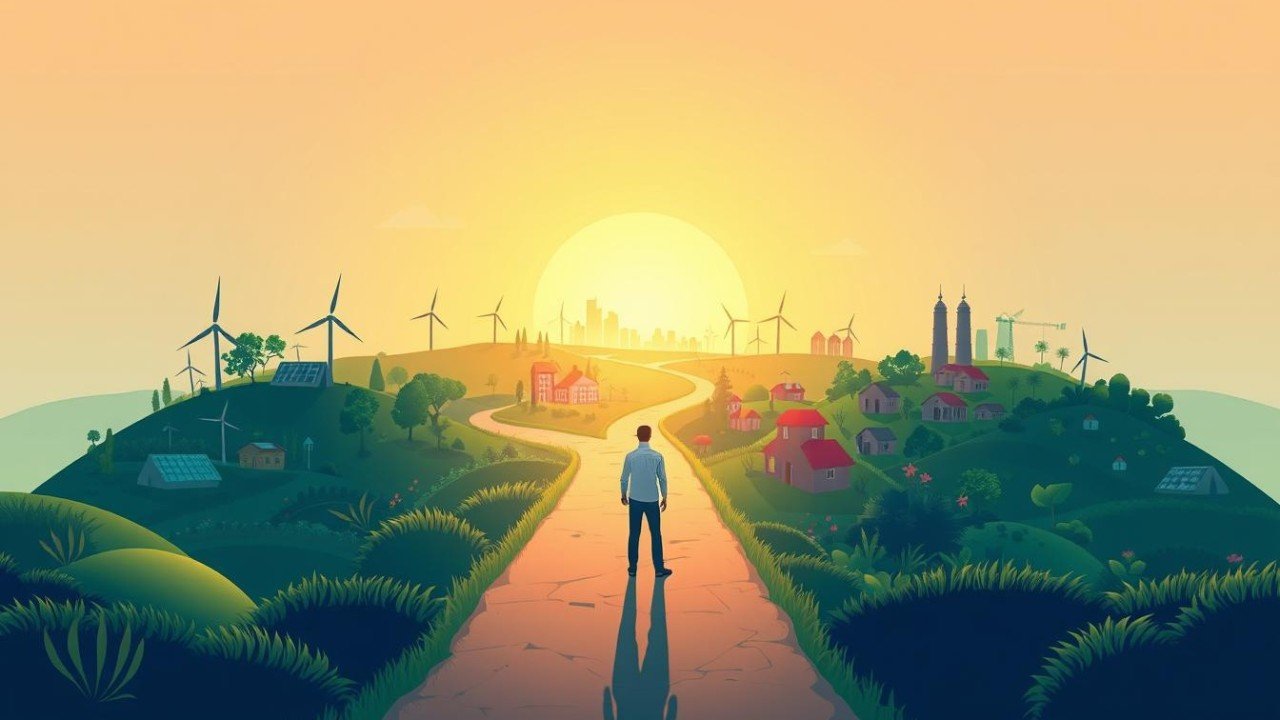
The foundation of any successful career in sustainability lies in sustainability education. This isn’t just about learning facts; it’s about gaining the skills to tackle real-world challenges. From understanding climate change to developing sustainable practices, education equips you with the tools to drive meaningful change.
Imagine a world where climate awareness and sustainable development are at the heart of every decision. This is the future we’re building, and it starts with educated professionals like you. The choices you make early in your career can set the stage for long-term success in this growing field.
Hands-on learning is crucial. Real-world challenges can’t be solved in a classroom alone. That’s why internships and practical experiences are so valuable. They bridge the gap between theory and practice, preparing you for the complexities of sustainability work.
Key Takeaways
- A strong educational foundation in sustainability is essential for career success.
- Climate awareness and sustainable development are critical areas of focus.
- Hands-on learning through internships enhances your skill set.
- Early career decisions significantly impact long-term opportunities.
- Networking plays a vital role in advancing your career in sustainability.
Overview of the Sustainability Landscape
The world is shifting towards a greener future, driven by the urgent need to address climate change and promote sustainable development. This global transformation is creating unprecedented opportunities in the job market, particularly in environmentally focused roles.
The Growing Demand for Green Jobs
Green jobs are expanding rapidly due to climate change initiatives and national reports on environmental sustainability. According to recent data, the U.S. economy is witnessing a significant rise in demand for professionals skilled in resource management and sustainable practices. This growth is expected to continue, with projections indicating a steady increase in environmentally focused roles over the next decade.
Economic, Environmental, and Social Impacts
The interplay between economic factors, environmental stewardship, and social equity is central to sustainability. Sustainable practices not only protect the environment but also foster economic growth and social justice. By adopting resource-efficient strategies, societies can ensure long-term benefits while addressing climate change challenges.
Sustainability Education
Transforming the way we approach learning is crucial for building a sustainable future. According to the U.S. Partnership for Education for Sustainable Development, sustainability education is about empowering students to address real-world challenges through a blend of knowledge and action.
Defining Sustainability Education
Sustainability education focuses on understanding the interconnectedness of ecological, economic, and social systems. It’s not just about learning facts—it’s about gaining practical skills to create positive change. The Brundtland Commission’s definition of sustainability as “meeting the needs of the present without compromising the ability of future generations to meet their own needs” serves as a guiding principle.

Evolving Educational Approaches for a Sustainable Future
Traditional and modern curricula are merging to foster sustainable mindsets. Educators are evolving their roles, integrating sustainable practices into their teaching. Partnerships between schools and industry experts are enriching curricula, ensuring they reflect real-world needs. Innovative teaching tools, like project-based learning, are making sustainability relatable and actionable. As knowledge grows, so does the ability to set and achieve sustainability goals.
Building a Foundation in Sustainable Development
Creating a strong foundation in sustainable development begins with understanding its core principles. These principles guide how we balance meeting present needs without compromising future generations’ ability to meet their own needs.
Key Principles of Sustainable Development
The Brundtland Commission’s definition of sustainability in 1987 laid the groundwork for modern practices. It emphasized meeting current needs without harming future resources. This balance is crucial for creating a sustainable society.
- Interconnected Systems: Sustainable development involves ecological, economic, and social systems working together.
- Long-Term Thinking: Decisions today should ensure a livable tomorrow.
- Inclusivity: Everyone, regardless of background, should benefit from development.
Proper training and teaching are essential. They equip individuals with the skills needed for sustainable practices. For example, the UN’s Education for Sustainable Development (ESD) initiative has transformed learning globally, integrating sustainability into curricula.
| Principle | Application | Impact |
|---|---|---|
| Interconnected Systems | Ecological balance | Ensures resource efficiency |
| Long-Term Thinking | Policies for future resources | Prevents resource depletion |
| Inclusivity | Social equity programs | Fosters societal well-being |
These principles inspire initiatives like renewable energy projects and community recycling programs. They shape local and global efforts, proving that sustainable development is achievable when we work together.
Integrating STEM and Sustainability in Learning
STEM education plays a vital role in shaping a workforce ready to tackle sustainability challenges. By combining science, technology, engineering, and math, students gain the skills to address real-world environmental issues.
Role of STEM in Advancing Sustainability
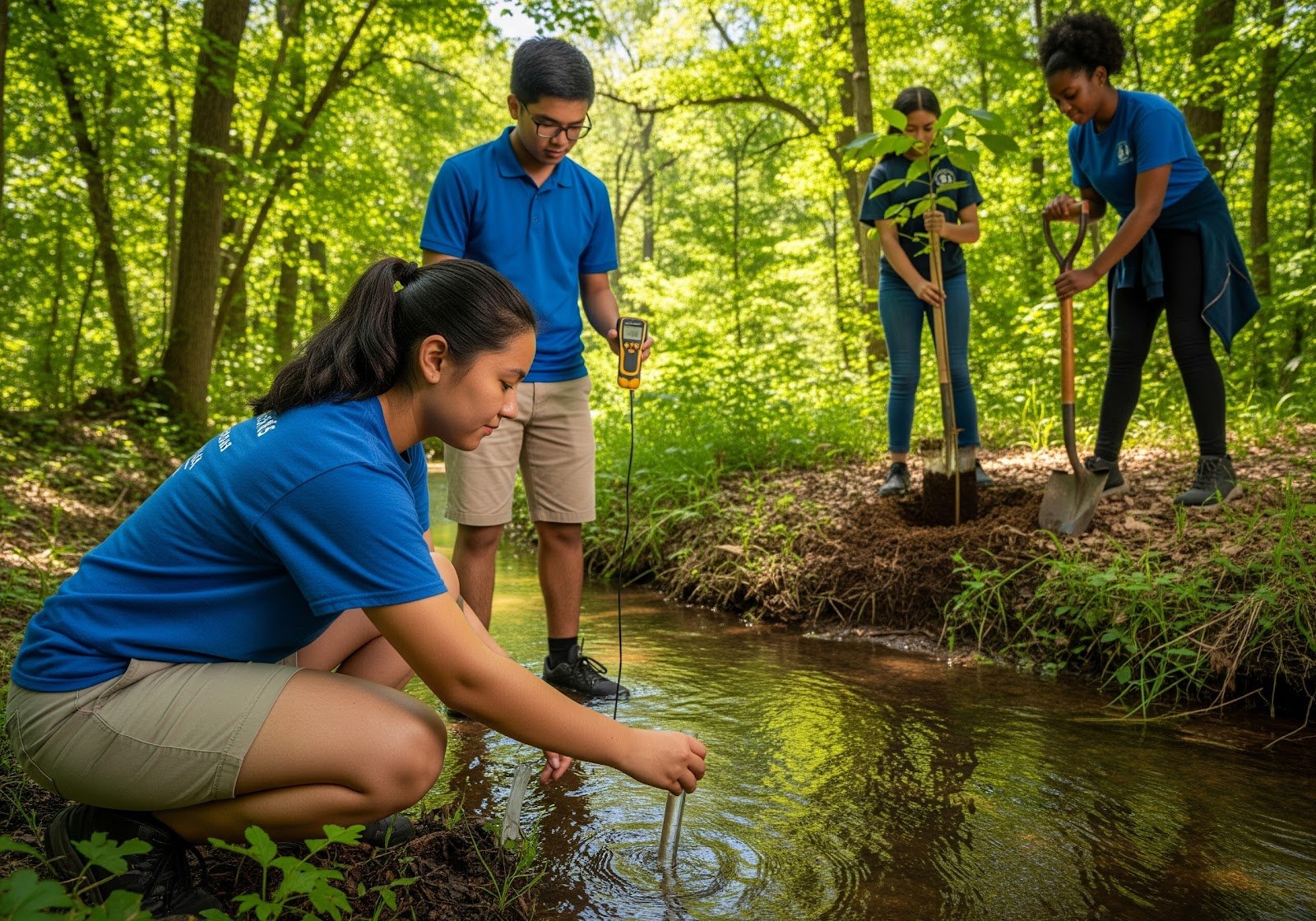
STEM disciplines are essential for developing innovative solutions to environmental challenges. For example, students analyzing local water quality through project-based learning not only learn scientific principles but also contribute to community sustainability efforts.
Innovative Educational Techniques and Tools
Project-based and place-based learning engage students in hands-on sustainability projects. Programs like the Biomimicry Institute’s Youth Design Challenge inspire students to create eco-friendly solutions, fostering innovation and community action. These approaches empower students to address challenges like climate change effectively.
Exploring Career Pathways in the Green Economy
The green economy is rapidly evolving, offering a wide array of exciting career opportunities. As the world shifts towards eco-friendly practices, the demand for skilled professionals in sustainability continues to grow.
Emerging Job Opportunities in Sustainability
The green economy spans various sectors, including renewable energy, clean transportation, and green building. Schools and educational institutions are playing a pivotal role in preparing students for these emerging roles. For instance, many schools now offer specialized courses in solar engineering and sustainable architecture, equipping students with the skills needed to thrive in this field.

Teachers are also evolving their roles, focusing on project-based learning that emphasizes real-world sustainability challenges. This hands-on approach not only enhances student engagement but also bridges the gap between theoretical knowledge and practical application. According to recent data, the clean energy sector alone is expected to create over 5 million jobs in the next decade, highlighting the vast opportunities available.
However, the green economy also faces challenges, such as the need for standardized training programs and the integration of green skills into traditional occupations. To address these issues, organizations are offering apprenticeships and certification programs, ensuring that workers are adequately prepared for the demands of the green economy.
Explore the diverse roles available in the green economy and consider how you can contribute to creating a more sustainable world. Whether you’re a student or a professional looking to transition, the green economy offers countless opportunities to make a meaningful impact.
Utilizing Resources and Training Opportunities
Unlocking your potential in the green economy starts with the right resources and training. Whether you’re a student or a professional, there are numerous tools available to help you build a strong foundation in sustainable practices and STEM integration.
Online Courses, Certifications, and Workshops
Platforms like Coursera and edX offer a wide range of courses on sustainability and STEM topics. These programs provide a comprehensive system of knowledge, blending theoretical concepts with practical skills. For instance, certifications like LEED AP (Leadership in Energy and Environmental Design Accredited Professional) and CEM (Certified Energy Manager) are highly valued in the green job market.
These resources not only help you achieve your career goals but also promote personal and community health. Many state and community initiatives, such as the U.S. Department of Education’s Green Ribbon Schools program, support access to these trainings. Data shows that participants in such programs often see significant career advancement and improved health outcomes.
Take the next step by exploring these platforms and seeking out local initiatives. Remember, the right training can be the key to unlocking a fulfilling and impactful career in the green economy.
Practical Steps to Launch Your Sustainability Career
Starting a career in sustainability requires more than just knowledge—it demands action. Today, the field is ripe with opportunities, but standing out requires a strategic approach. Let’s explore how you can take meaningful steps to build a successful career in sustainability.
Building Partnerships and Community Involvement
Partnerships are the cornerstone of any successful sustainability initiative. Collaborating with local organizations and community leaders can open doors to valuable opportunities. For instance, working with groups like the Sierra Club or Local Governments for Sustainability can provide real-world experience and connections. These partnerships not only enhance your skills but also demonstrate your commitment to potential employers.
Project-Based Learning and Real-World Experience
Hands-on experience is invaluable. Engaging in project-based learning allows you to apply theoretical knowledge to real challenges. Consider volunteering for initiatives like community clean-up drives or renewable energy projects. These experiences enrich your resume and provide tangible examples for interviews, showcasing your ability to drive quality outcomes.
| Strategy | Application | Impact |
|---|---|---|
| Community Partnerships | Collaborate with local NGOs | Builds network and skills |
| Project-Based Learning | Engage in real-world projects | Enhances practical experience |
| Quality Training | Enroll in certified programs | Boosts career growth |
Remember, your energy and passion are powerful tools. By leveraging these strategies, you can make a meaningful impact and advance your career in sustainability.
Conclusion
As we look to the future, the connection between a thriving economy and healthy water resources becomes clearer. By focusing on robust training and hands-on experiences, you can play a key role in shaping a sustainable tomorrow.
The path to a career in sustainability is both rewarding and challenging. It requires a blend of knowledge, practical skills, and a commitment to making a difference. Remember, every step you take today contributes to a healthier environment and a stronger economy for future generations.
Stay curious, keep learning, and embrace the opportunities ahead. The journey toward a sustainable future is just beginning, and your participation is vital. With dedication and the right skills, you can help create a world where water conservation and economic growth go hand in hand.
FAQ
How can I integrate sustainability into my curriculum?
Start by identifying key areas like climate change and resource management. Incorporate real-world examples and hands-on activities to make learning engaging and relevant.
What role do educators play in promoting sustainable development?
Educators are crucial in teaching environmental awareness and social responsibility. They inspire students to take action and become part of the solution for a sustainable future.
How can students get involved in their community for sustainability?
Students can participate in local projects, such as clean-up drives or energy-saving initiatives. Collaboration with community groups and partnerships can amplify their impact.
What resources are available for learning about sustainable development?
Utilize online courses, certifications, and workshops. Platforms like Coursera and edX offer a wide range of sustainable development courses.
How can I pursue a career in the green economy?
Focus on gaining skills in areas like renewable energy and sustainable practices. Stay updated on emerging job opportunities and network with professionals in the field.
What is the importance of project-based learning in sustainability?
It provides real-world experience, helping students understand the practical aspects of sustainable development and how to address global challenges effectively.